7 Best Tools for Tracking Government Contract Award Modifications in 2026
Compare 7 tools for tracking government contract award modifications in 2026, including SamSearch, Civio AI, official data sources, pricing, and limitations.

The modification posts on a Tuesday and nobody flags it. Your competitor's award picks up a scope change, the program office gets comfortable with the new work, and eight months later the recompete RFP lands with requirements that read like a description of what the incumbent has been doing since spring. Your team bids the original scope and loses on relevancy.
That's what government contract award modification tracking is for. A modification is a written change to a contract's terms, and the ones that matter move scope, funding, deadlines, or the option structure. None of that necessarily shows up in a current award value column.
I ranked these seven tools and platforms on one test: how well each helps a team spot and interpret changes to federal contract awards. Secondary criteria were monitoring workflow, access to source-level transaction detail, pricing transparency, and whether a small or mid-size contractor can justify the spend. Some entries are research platforms rather than dedicated modification trackers. That distinction matters more than a long feature list.
1. SamSearch
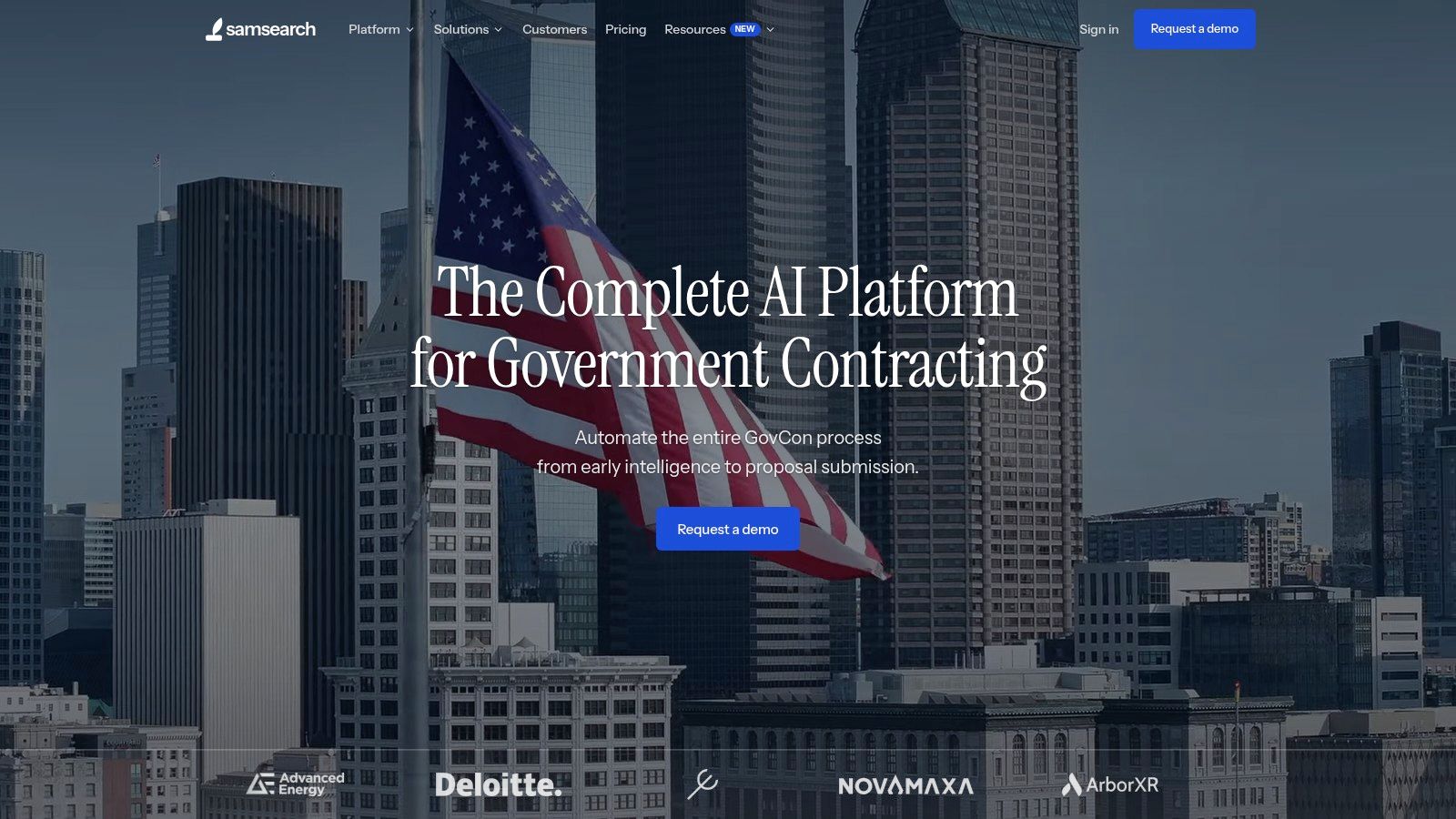
SamSearch is the best fit here for mid-size to enterprise capture teams that want modification monitoring connected to incumbent and recompete research. Its AI-assisted contract research covers awarded contracts and modifications, while its recompete workflow describes monitoring contract modifications for tracked opportunities. Rather than stopping at a changed dollar figure, you can investigate who holds the award, when performance ends, and whether the action affects a future pursuit.
Where It Fits a Modification Workflow
Start with the original solicitation and award as your baseline. Track the incumbent or contract family, then compare later actions with the starting scope, period of performance, funding, and options. SamSearch's search and research tools also let teams examine agencies, recipients, award descriptions, and performance dates when prioritizing recompetes. The Federal Acquisition Regulation distinguishes bilateral modifications, signed by both parties, from unilateral ones signed only by the contracting officer. That difference can matter when interpreting what an action actually settled.
SamSearch has the strongest case when the same team handles monitoring, competitor research, and pursuit planning. It is not a substitute for an executed modification or an official transaction record: verify the action date, modification number, and material change before putting a conclusion in a capture brief. Confirm the alert frequency and the modification fields available for your target awards during a demo.
Pros
Modification-to-pursuit continuity: Monitoring tracked contracts can feed incumbent analysis and recompete planning.
AI-assisted research: Helps investigate award scope, competitors, and contract history in one workflow.
Broader GovCon use: Opportunity discovery and market research make the platform useful beyond modification review.
Cons
Validate the detail: AI summaries and reported actions still need a check against official records.
Test your portfolio: Ask to see how your actual award families, zero-dollar changes, and late-reported actions appear.
SamSearch helps connect the question "what changed?" to "does this change our pursuit?" Keep the government record as the evidence behind the answer.
See SamSearch platform information for its research and opportunity capabilities. For a wider view of how GovCon tools are compared, visit the GovCon software blog.
2. Civio AI
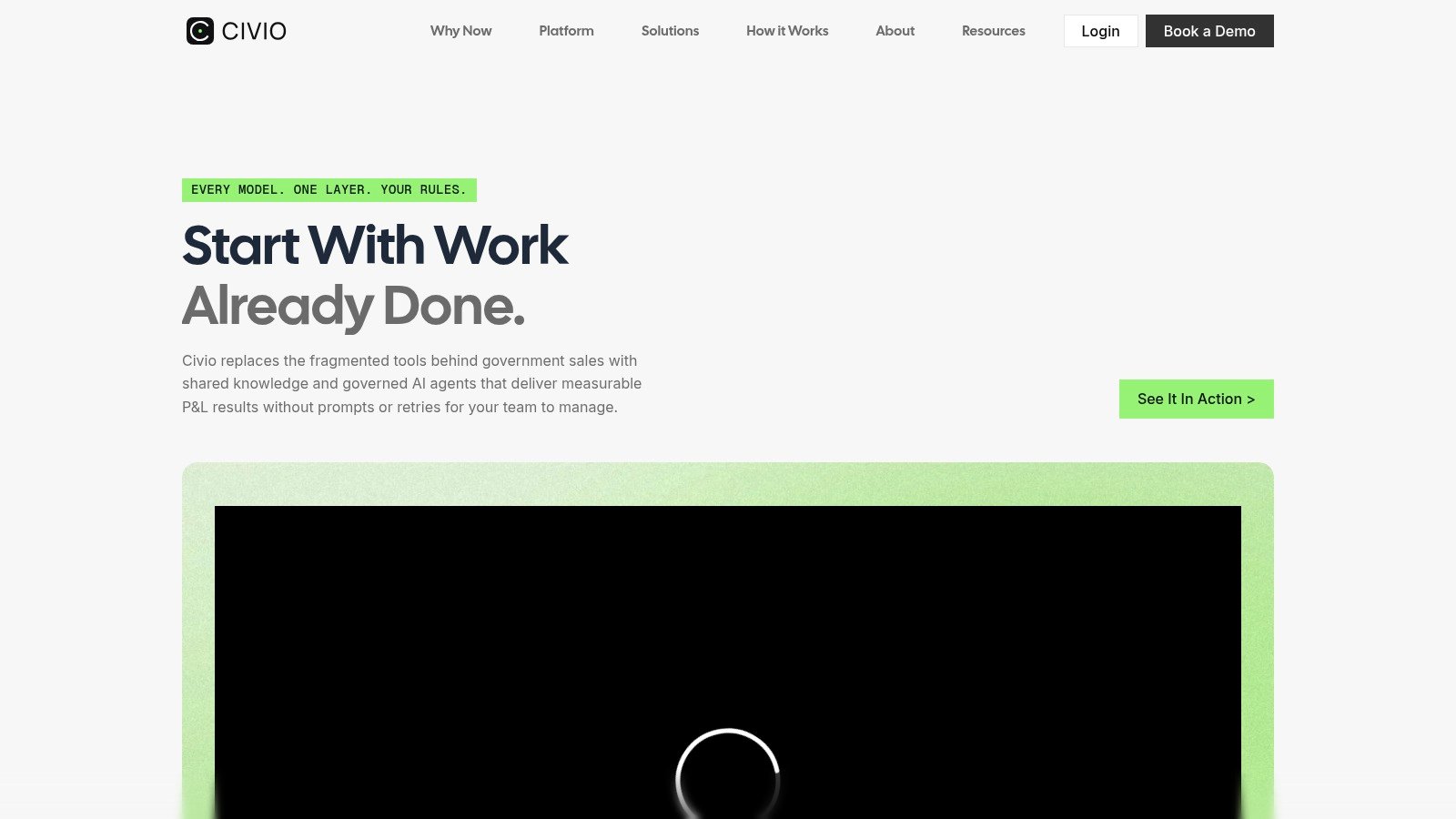
Civio AI belongs on this list for teams whose change-tracking problem includes the bid before it becomes an award. Its bid-tracking workflow describes detecting solicitation amendments such as deadline shifts, scope changes, and eligibility updates. Its broader platform links opportunity qualification with capture, requirements, and proposal work. That makes it relevant to a team trying to keep pursuit decisions current as requirements move.
Know Which Changes Civio Tracks
A solicitation amendment and a post-award contract modification are not the same record. Civio's published amendment-tracking claims concern opportunities and bids; the available product information does not establish a dedicated, transaction-by-transaction alert for modifications to awarded contracts. Ask Civio to demonstrate a known award family's modification numbers, action dates, and funding changes before buying it for post-award monitoring.
Pros
Amendment awareness: Helps capture teams catch material solicitation changes while a bid is active.
Connected workflow: Qualification, requirements analysis, and proposal work can share context.
Useful beyond award research: Fits teams that need pursuit execution as well as market intelligence.
Cons
Post-award depth unproven: Do not confuse bid-amendment alerts with a contract-modification log.
Verify pricing and coverage: Request a plan quote and a live test of the contracts you follow.
Choose Civio AI when changes to live pursuits are part of the problem. For an audit-ready record of what changed after award, test it against SAM.gov and USAspending.gov first.
See Civio AI for its current platform scope.
3. HigherGov
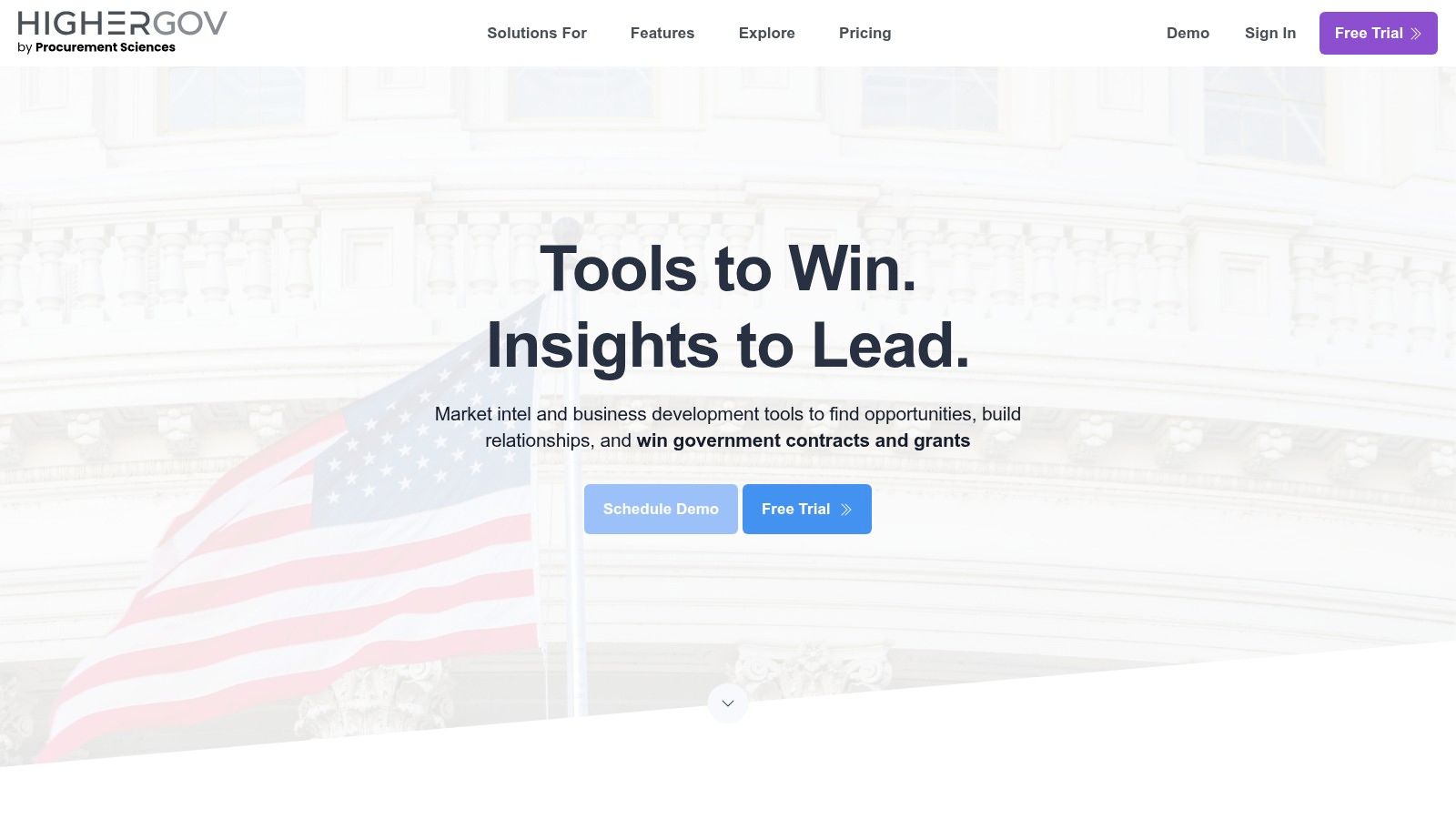
HigherGov does the thing most award databases skip. It shows the hierarchy, so a task order sits under its parent IDV and a modification sits inside the record it changes. That structure makes a dollar change easier to interpret.
Why Hierarchy Beats the Alert
A modification history on its own is a list of dates and deltas. Context is what makes it usable: which vehicle, which funding line, which period of performance. Federal acquisition rules treat a modification as part of the official contract record rather than an informal update. Modification number, action date, amount added or deducted, and reason for the action help reconstruct an award chronologically.
HigherGov documents linked award hierarchies and high-level modification history. For a lot of capture work, that's the right altitude. Its published plans provide a starting point for budgeting, though you should confirm that your plan includes the exports and team features you need.
Pros
Award context: Parent and child relationships make task-order growth legible at a glance.
Funding context: Helps distinguish a changing obligation from a changing contract ceiling.
Published pricing: You can budget before scheduling a demo.
Cons
High-level history: Verify material actions against source-level transaction records.
Plan tiers: Exports and team features vary by plan.
Test your own contracts: Reporting depth varies, so check the awards you care about.
If a tool reports only cumulative award value, you'll miss the changed deadline, the updated place of performance, or the altered option structure. Those can be more useful than the headline amount.
Details are at HigherGov.
4. GovTribe
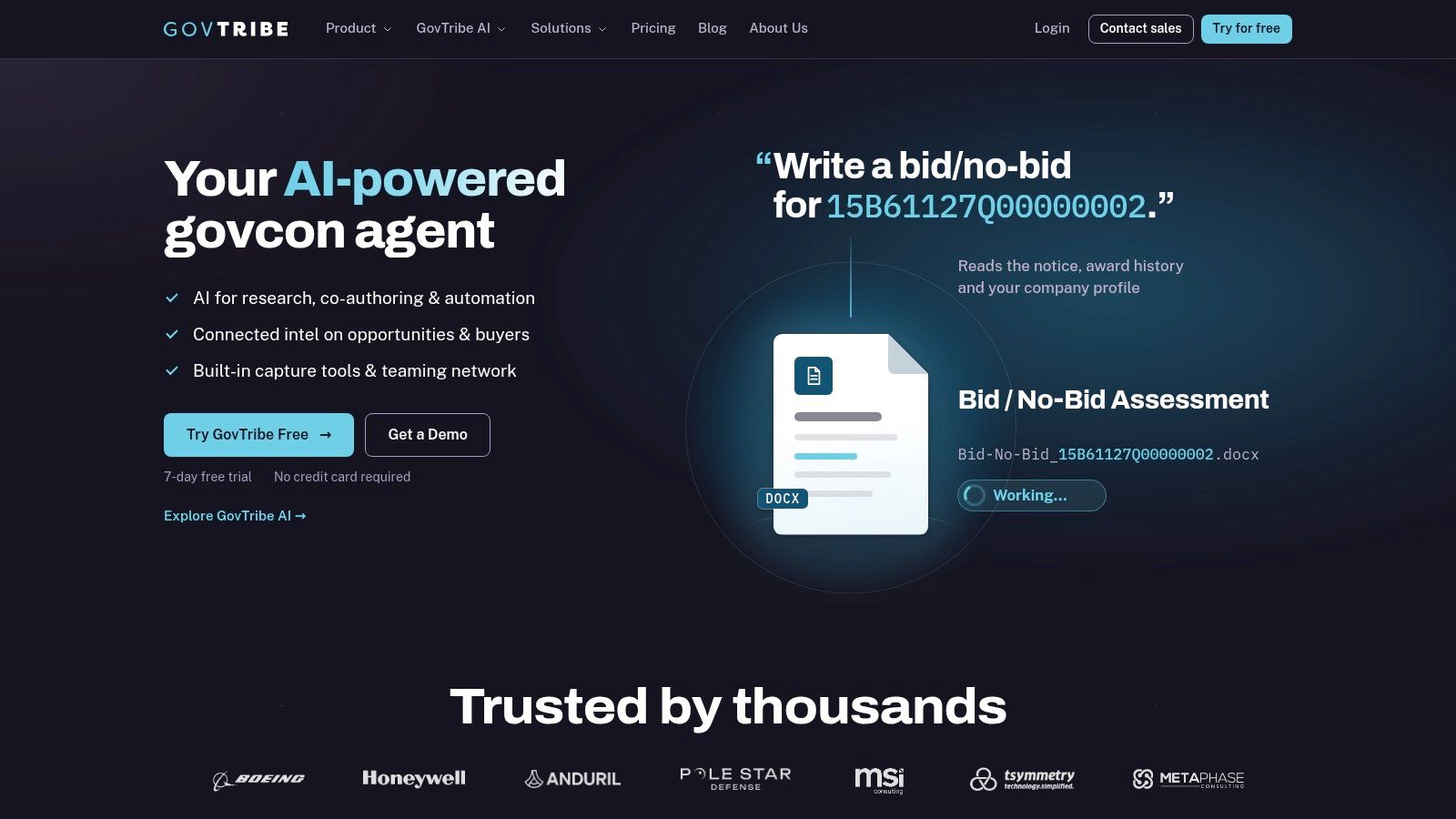
GovTribe connects award research with the pursuit work around it, which is a different job than printing a modification log. For capture teams, an award record alongside opportunities and pursuit notes is easier to act on than a raw transaction feed.
Reading Award Data Without Overreading It
A high modification count doesn't automatically mean scope growth, and a small dollar change doesn't mean low impact. GAO found that Federal Procurement Data System records can combine obligations from modifications where certified cost or pricing data were required with obligations where they weren't, which risks overstating obligations in analysis. The same GAO report discusses how difficult it can be to separate substantive changes, administrative changes, and option exercises in aggregate data.
That's the reason I care about record-level fields, not headline counts. GovTribe's market research features support competitor and award analysis, but test whether its record view answers the particular modification questions you have.
Pros
Capture context: Award research can sit beside opportunity tracking and pursuit activity.
One workspace: Opportunity tracking and award research don't require separate workflows.
Low-commitment trial: Check the current GovTribe pricing and plans for trial terms.
Cons
Not an audit trail: Confirm the modification-by-modification depth before relying on it.
AI allowances vary: Check plan limits if your team uses AI research heavily.
Per-seat pricing: Budget for the full capture team, not just one researcher.
Pricing and plans are at GovTribe.
5. USAspending.gov
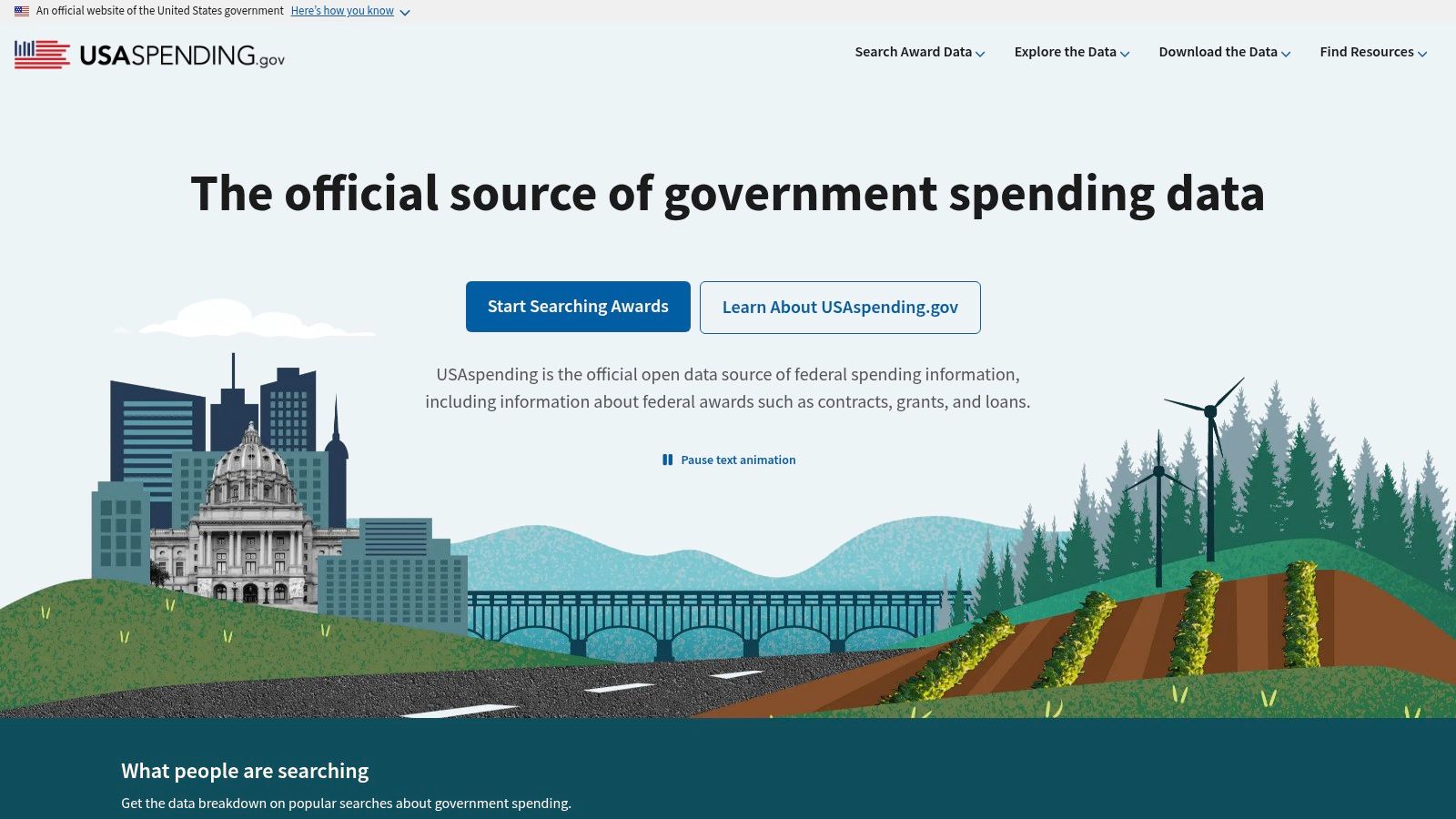
USAspending.gov is where I check the claims commercial platforms make. Its data dictionary treats an initial award and subsequent modifications as transactions associated with an award. Procurement records can include modification numbers, reasons for modification, and transaction descriptions, with downloads and a public API for analysis. It costs nothing, and it belongs underneath any paid subscription you run.
What the Transaction Record Gives You
A transaction's obligation change is not the same thing as the award's running total, which is why a "current award amount" display can't carry a financial argument by itself. The GAO's review of federal procurement data notes that agencies must certify data reported to FPDS as complete, accurate, and timely and are expected to verify key elements. It also flags that FAR reporting requirements don't apply identically to every executive-branch entity or program, so coverage gaps are real.
Pros
Free federal data: No commercial subscription or seat limits.
Bulk analysis: Downloads and the public API support portfolio-level work.
Cross-check value: A way to test a number from a paid dashboard.
Cons
Manual effort: Filtering and interpreting records takes time.
Variable timeliness: Reporting quality and latency differ by agency.
No turnkey alerts: Recurring monitoring requires manual checks or automation you own.
Practical rule: Any number headed into a recompete brief should be reproducible from a downloadable transaction record.
If you're weighing whether a paid platform earns its keep, our FAQ on choosing GovCon tools explains how these comparisons get built. Data starts at USAspending.gov.
6. SAM.gov Contract Award Data
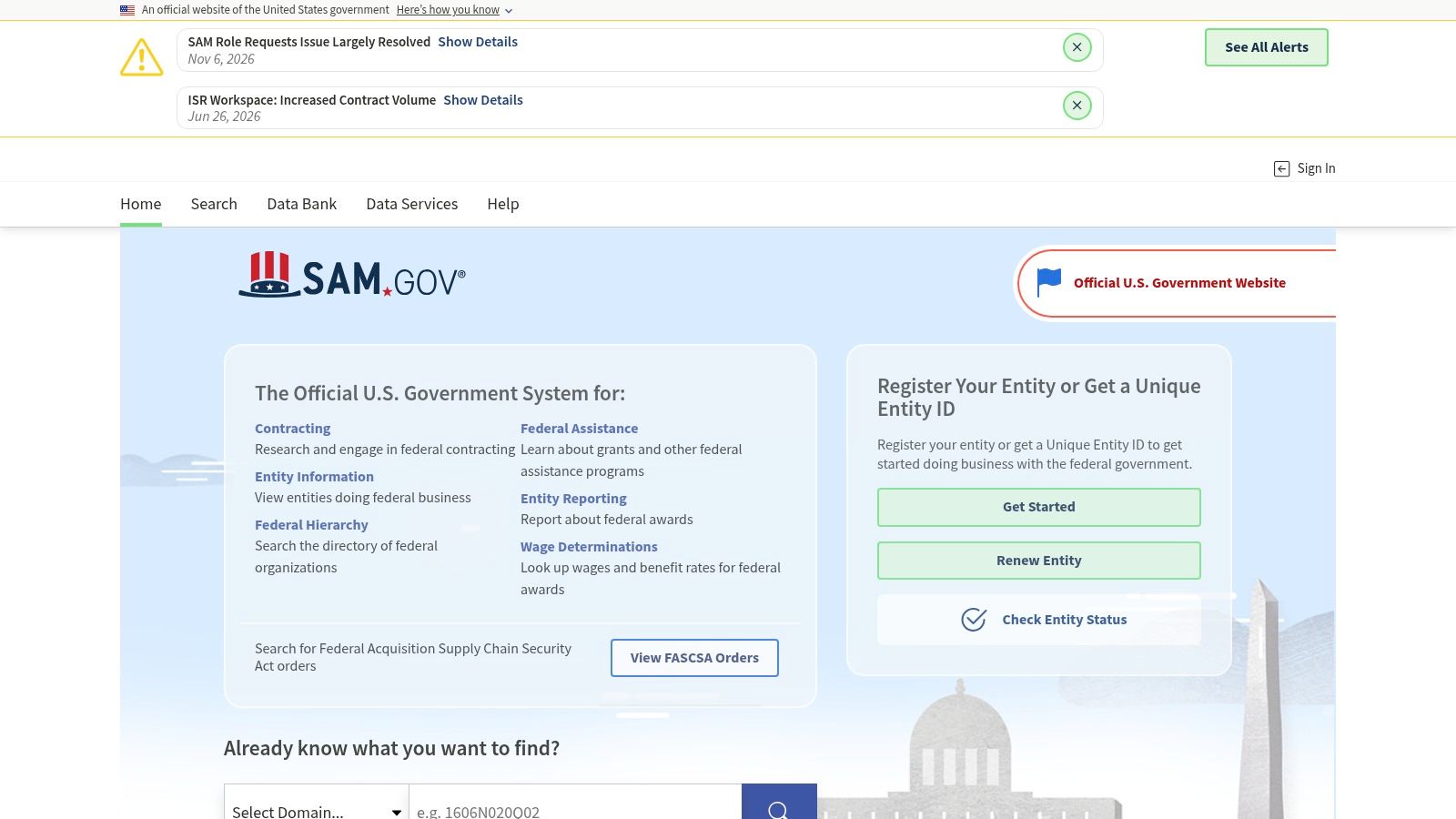
SAM.gov provides official contract-award data, not a ready-made portfolio monitor. Its award search helps when you're checking a specific record. Watching changes across dozens of contract families is a different problem, and it's where a repeatable API workflow earns its place.
The API Is the Layer That Matters
The SAM.gov Contract Awards API is the machine-readable path. It supports structured JSON and CSV queries and award-family relationships. A tracker built on it should preserve the parent award and PIID relationships, ingest modification records incrementally, and separate cumulative obligations from the net change attributable to each action. SAM.gov's contract-data guidance includes modifications that change previously reported information even when they have no dollar value.
Acceptance test: Replay a known award family through the tool and confirm its modification count and totals against the official records. Then check how it handles late submissions and corrections.
A vendor that can't document that lineage is a discovery tool, not a contract-performance monitor.
Pros
Official data: A direct place to validate reported contract actions.
Single-record checks: Useful for investigating a material change.
API access: Supports a monitoring process your team can control.
Cons
Weak turnkey portfolio view: Repeated checks across many awards take work.
Setup effort: Automation and reconciliation are your responsibility.
Account needed for search: SAM.gov says public users must sign in to search contract-award data.
Start at SAM.gov.
7. Deltek GovWin IQ
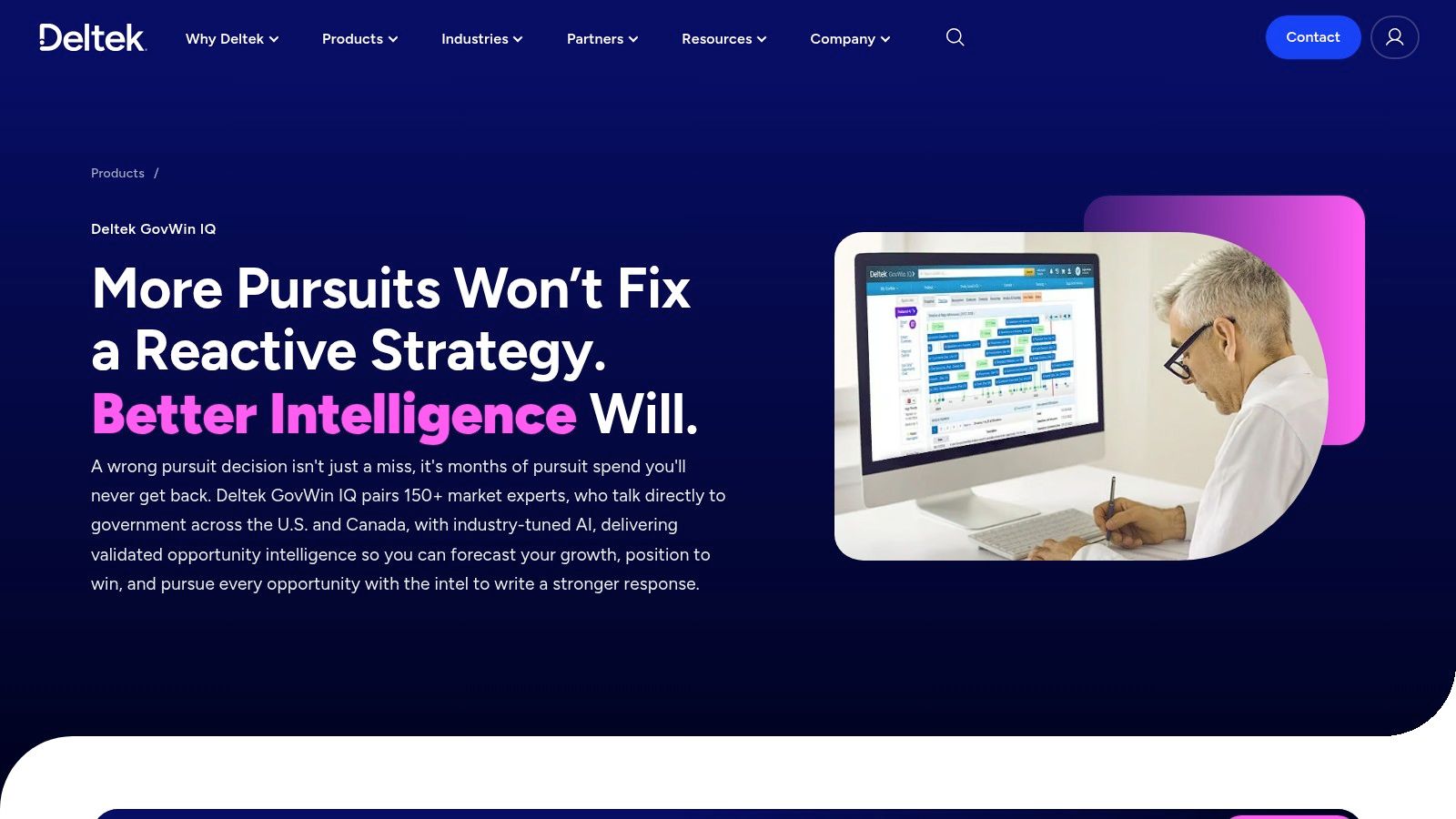
GovWin IQ is a broad intelligence platform, not a dedicated modification log. Buy it for market and competitive intelligence, and treat award records as context rather than assuming every transaction is ready for audit. Judged as a modification tracker alone, it's more platform than many teams need.
Two Documents, One Obligation
The documentary sequence is what a real modification workflow has to preserve. Under FAR subpart 43.2, written change orders are generally issued on Standard Form 30. When a unilateral change order is later definitized through a bilateral supplemental agreement, the record can require two documents: the original change order and the later agreement reflecting the equitable adjustment. Where the adjustment is agreed in advance, only the bilateral agreement is needed. A platform showing only the latest modification can hide when the government ordered the change and when the parties settled it.
For defense contracts, DFARS 243.204-70 adds another reason to preserve the sequence: qualifying unpriced change orders above $5 million have definitization and funding limits. The pre-definitization obligation cap is generally 50% of the not-to-exceed price, with a conditional exception up to 75% when a qualifying proposal is submitted on time. A dashboard total alone won't explain that history.
Pros
Competitive context: Company and agency intelligence wrapped around award research.
Historical research: Useful for trend and recompete work.
Large-team fit: Broader intelligence needs can share one subscription.
Cons
More platform than the job: If modification monitoring is the only requirement, much of it may go unused.
Quote-based pricing: Budget before you demo.
Verify tier depth: Confirm which award and transaction details your subscription includes.
Product details are at Deltek GovWin IQ. If a tool you rely on isn't covered here, our About page has the contact route for suggestions.
Award Modification Tracking Tools at a Glance
| Tool or Platform | Modification History Detail | Alerting & Monitoring | Pricing Model | Best For |
|---|---|---|---|---|
| SamSearch | Contract and incumbent research with modification monitoring for tracked opportunities; verify material actions in official records | Tracked-contract monitoring; test fields and frequency on your portfolio | Confirm current plans with vendor | Mid-size to enterprise capture teams linking changes to recompete and competitor research |
| Civio AI | Solicitation amendment coverage documented; dedicated post-award modification log not established | Bid and amendment tracking; test post-award alerts | Confirm current plans with vendor | Teams combining change awareness with capture and proposals |
| HigherGov | High-level modification history with award hierarchy and funding context | Verify alert coverage on your contracts | Public plan pricing | Teams needing award-family context |
| GovTribe | Award and competitor research; verify transaction-level depth | Opportunity and pursuit workflows; test modification monitoring | Annual per-seat plans; confirm current trial terms | Capture teams combining awards with opportunity tracking |
| USAspending.gov | Federal transaction records with modification fields | Manual checks or self-built API monitoring | Free | Transaction-level research and validation |
| SAM.gov Contract Award Data | Official award and modification records | API-based monitoring requires setup | Free access to official data | Verifying federal award actions and building a custom tracker |
| Deltek GovWin IQ | Broad award and market research; verify modification document depth | Broader intelligence rather than a dedicated modification log | Quote required | Larger capture teams needing competitive intelligence |
Picking Your Stack With Verdicts, Alternatives, and a Workflow That Works
Choose a platform by how well it surfaces the changes your team actually needs, then match the cost and coverage to your workflow.
Small teams and first-time buyers. If you're not ready to pay for monitoring, start with regular checks of USAspending.gov and SAM.gov. A free source-record workflow is better than a subscription that goes unused.
Teams managing live bids. Civio AI is worth considering when solicitation amendments and proposal execution are the priority. Ask for a live demonstration before treating its bid-change tracking as post-award modification monitoring.
Mid-size to enterprise capture teams. Start with SamSearch when you need to connect tracked contract changes with incumbent research and future bids. Validate material findings against USAspending.gov and SAM.gov before using them in a brief. HigherGov fits questions about award hierarchy and funding context; GovTribe fits teams that want award research alongside the pursuit. Test transaction detail before treating any research platform as a standalone audit trail.
Enterprise intelligence budgets. GovWin IQ makes more sense when competitive and market context matters alongside award research. If monitoring is your only requirement, its broader research depth may go unused.
A workable stack combines a research platform for triage with free federal sources for verification. Assign one owner to reconcile records on a fixed schedule. Build the process around current APIs rather than assuming legacy FPDS feeds are still the right integration. SAM.gov's FPDS transition notice says ezSearch was decommissioned on February 24, 2026, while retirement of the legacy ATOM feed was scheduled separately. Ask vendors which connector they use and when it was last updated.
GovCon Reviews compares tools for finding opportunities, managing leads, building proposals, and running capture across federal, SLED, subcontracting, recompetes, and grants. Its Top 9 Federal Contracting Intelligence Platforms for 2026 coverage offers a broader comparison. If something you rely on isn't covered here, you can suggest a tool or topic through the contact details on our About page.
FAQ: Tracking Government Contract Award Modifications
What is the difference between a solicitation amendment and a contract modification?
A solicitation amendment changes a pending opportunity or its bidding requirements. A contract modification changes an existing award. Civio AI documents amendment tracking for bids; verify its post-award capabilities separately. The FAR's contract-modification rules explain the types of changes that occur after award.
Where can I verify a federal contract modification for free?
Check the contract-award records in SAM.gov and the award's transaction history at USAspending.gov. Match the award identifier, modification number, action date, and reported obligation change. For a scope or terms question, look for the underlying contract document rather than relying on a financial field alone.
Can a zero-dollar modification matter?
Yes. A modification can change reported terms or award information without adding funding. SAM.gov's contract-data guidance says reportable modifications can change previously reported information regardless of dollar value. Track what changed, not just how much.
Related analysis
8 Essential Tools for Identifying Federal Contract Renewal Opportunities
8 Essential Tools for Identifying Federal Contract Renewal Opportunities: honest pricing, pros, cons, and workflow tips to find expiring contracts early.
6 Best Software Platforms for Federal Procurement Forecast Analysis in 2026
Compare the 6 Best Software Platforms for Federal Procurement Forecast Analysis in 2026: pricing, forecast data, alerts, and who should skip each tool.
7 Best Federal Contract Recompete Intelligence Tools for 2026
Our ranked review of the 7 Best Federal Contract Recompete Intelligence Tools for 2026, with pricing, pros, cons, verdicts, and who should skip each one.