7 Best Government Contract Recompete Tracking Software Tools
Compare 7 government contract recompete tracking tools, including SamSearch and Civio AI. See features, limitations, pricing transparency, and best-fit teams.

The most popular advice in recompete tracking is backwards. Teams tell you to find contracts expiring soon and start chasing them, as if an end date proves an agency will buy again. It doesn't. An award can end because funding lapsed, scope moved to another vehicle, an option will be exercised, or the requirement simply disappeared.
That's why this ranking of the 7 best government contract recompete tracking software tools treats an expiring award as a lead, not a forecast. The question for each tool isn't how many dates it can list. It's whether your team can verify incumbent, scope, vehicle, set-aside, and agency intent before you spend capture hours.
The stakes justify that discipline. The U.S. Small Business Administration FY24 contracting announcement reports small businesses received more than $183 billion in federal prime-contract awards in fiscal year 2024, equal to 28.8% of federal contracting dollars. Dollars rose while the number of small-business prime contractors fell, so early, verified renewal work beats a longer unqualified list.
Table of Contents
7. Acquisition Gateway Expiring Contracts Dashboard
1. SamSearch
SamSearch ranks first because it connects early recompete signals to the work that follows qualification. Many trackers stop at discovery and leave your team to rebuild context in a CRM, spreadsheet, or proposal folder. SamSearch brings recompete, forecast, incumbent, and buying-signal research into the same workflow as solicitation analysis and proposal support. Its recompete research features include predicted follow-on timing, incumbent details, and scores that help teams prioritize which awards deserve a closer look.
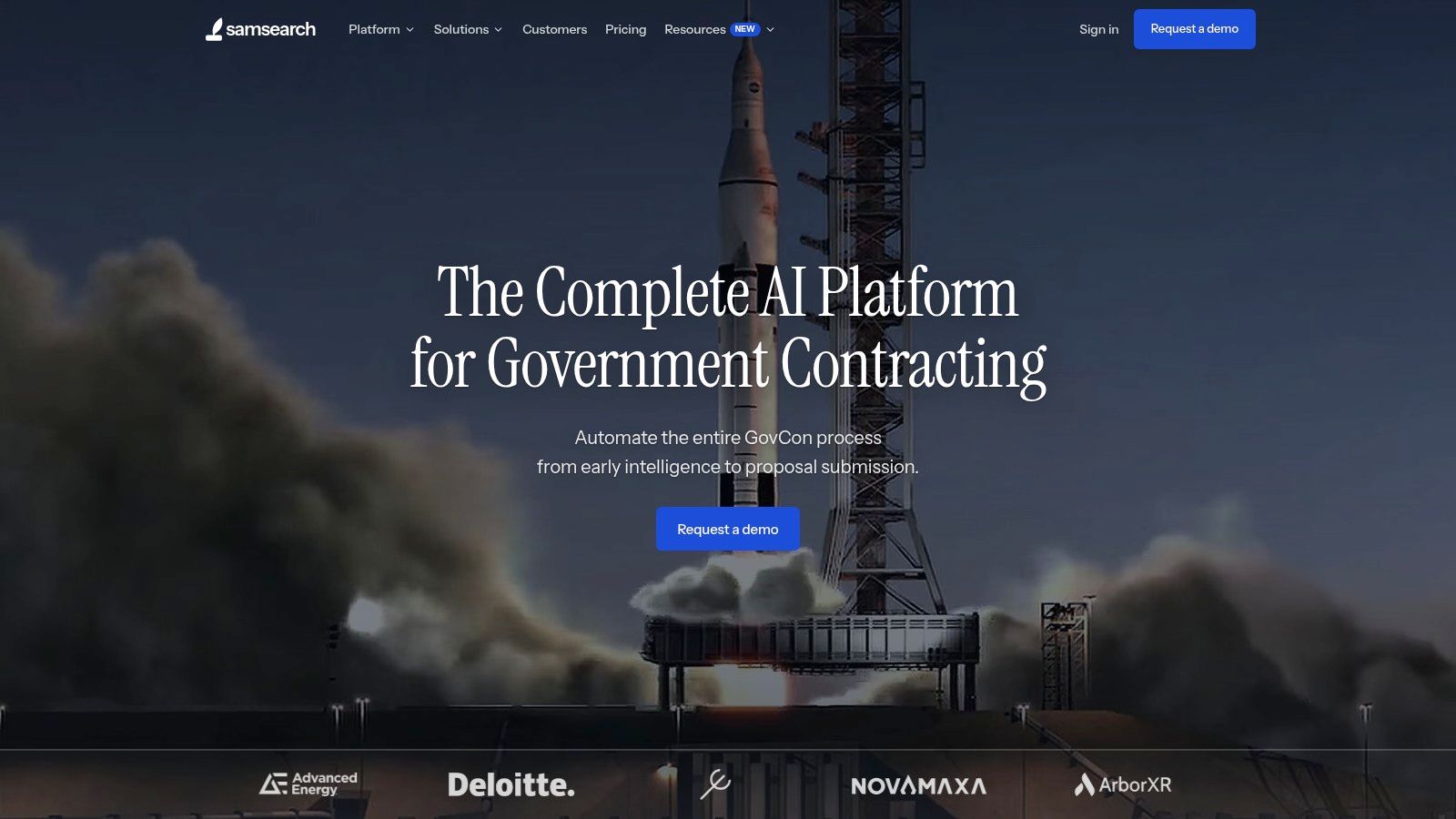
That continuity matters because recompetes rarely announce themselves cleanly in one notice. The official SAM.gov opportunities API documentation describes pre-solicitation, solicitation, award, sole-source, and sources-sought notices. Checking those signals alongside an expiring award gives your team a better basis for judging whether the requirement is still active. The advantage over an expiration-only tracker is practical: researchers can investigate the follow-on and carry that context into capture and proposal work rather than starting over after an alert.
Where SamSearch Wins
Recompete research: Check incumbent history, agency forecasts, estimated timing, and buying signals rather than sorting only by expiration date.
Qualification: Use company profiles and past performance to judge fit before capture work starts.
Solicitation work: Analyze attachments and extract requirements, then move findings into proposal support without rekeying the research.
SamSearch describes its resolicitation timing as analyst-verified, which you should test rather than accept on faith. Pick ten expiring awards you know well, ask for the source behind each timing call, and compare those calls against forecasts and sources-sought activity. For broader category comparisons before a demo, GovCon Reviews covers how recompete tools fit alongside other GovCon software.
Skip it if you only want a cheap list of end dates. Its broader discovery and proposal workflow is wasted on a team with no capture process. Public pricing wasn't available in the materials reviewed, so request a quote and confirm which features are included.
2. Civio AI
Civio AI is a strong option for teams that want recompete research tied to qualification and downstream capture work. Rather than treating every expiring award as an equally promising lead, Civio describes a Fit, Intent, Access, and Timing scoring approach. Its recompete signals include the incumbent, potential resolicitation timing, forecasts, and early notices. Those inputs can help a BD team decide what deserves human review first.
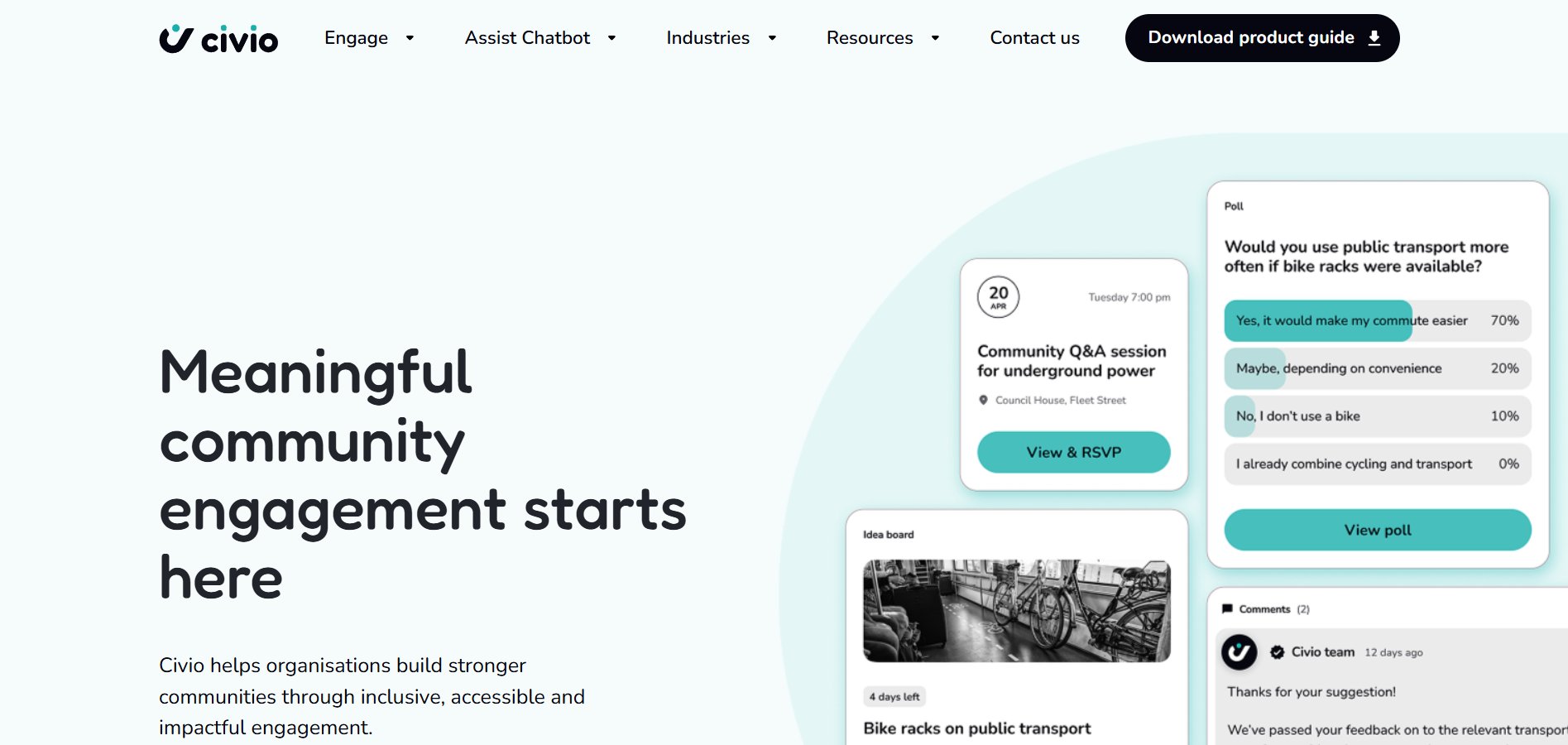
Its broader workflow is the distinction. Civio describes AI support for pursuit research and proposal work, including solicitation review and compliance matrices in its government sales AI guidance. That makes it a more natural fit for teams trying to route a qualified lead into capture than for teams that only need an end-date alert. Compared with SamSearch, both connect discovery with later pursuit work; ask each vendor to demonstrate how it traces a specific expiring award to source records and into a usable capture decision.
Best workflow: Score a watchlist by fit and timing, then investigate the underlying notices and incumbent record before opening a pursuit.
Verification step: Bring a known recompete to the demo and ask Civio to show the evidence behind its timing, score, and proposed next action.
Pricing check: Civio's pricing page directs buyers to discuss a custom plan. Confirm the features, seats, and any usage charges in your quote.
Skip it if your team needs only a simple, low-cost expiration list. AI-assisted scoring is a triage tool, not proof that an agency intends to recompete a requirement.
3. GovTribe
Say your team finds an award ending in fourteen months under a NAICS code you serve. The date alone tells you almost nothing. GovTribe earns its place by letting you pull on several threads at once, including awards, forecasts, early notices, and vendor history, before you decide it's a real pursuit.
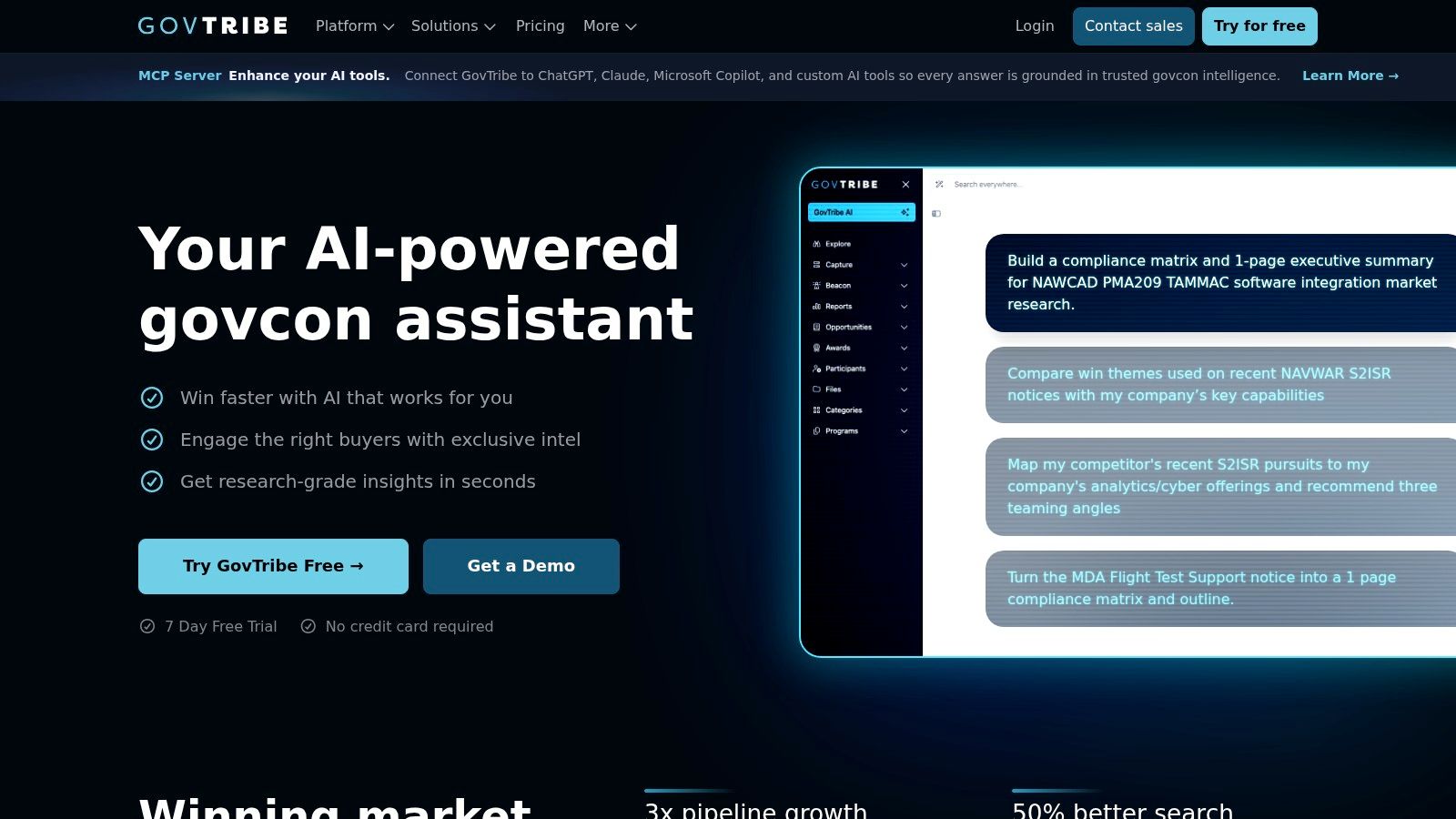
Its AI-supported research helps investigate possible follow-ons across those signals, while saved searches and alerts support recurring pipeline reviews. You can search federal awards, flag contracts nearing their end dates, then research competitors and vendors without switching systems. That's a sensible middle ground between a free dashboard and a broader capture platform.
How a Capture Team Would Use It
Start with the expiring award and confirm the incumbent's actual work, not just the legal name on the record. Check forecasts and early notices for the same requirement, then look at whether the incumbent's vendor profile suggests a teaming opportunity. Save that search so new matches surface during weekly pipeline reviews rather than sitting in someone's browser tabs.
Treat the AI output as a research lead, not confirmation of agency intent. Take one AI-suggested follow-on and trace its evidence back to an award, forecast, or notice you can open yourself.
Skip it if you want proposal drafting built into the same tool, since research is the center of gravity here. The platform's breadth also takes time to learn, so assign one owner for saved searches. Pricing wasn't established from the pages reviewed, so confirm seats and data coverage in writing.
4. HigherGov
HigherGov is useful for teams that think about recompetes as displacement or teaming plays, not just direct rebids. It offers a dedicated recompete capability inside a wider research platform covering opportunities, forecasts, awards, task orders, subcontract leads, and contract vehicles. That mix helps when the smart move isn't bidding prime. It's getting on the incumbent's team early, or finding the challenger who needs your capability.
You can search for existing contracts likely to recompete, research incumbents and potential competitors, and use alerts, saved searches, and favorites to keep a shared watchlist current. Team-based access supports shared market research, which matters when BD, capture, and operations each hold part of the incumbent picture.
Set-aside eligibility is worth checking early. The Small Business Administration contracting officials guidance explains when small-business set-asides apply and how competition among qualified small businesses affects the acquisition. If eligibility changes between the original award and the follow-on, the competitive field can change too.
Displacement research: Profile the incumbent and likely challengers before committing capture budget.
Teaming research: Use subcontract and vehicle data to find where you fit if prime isn't realistic.
Shared watchlists: Keep favorites and saved searches visible across the team.
Verify before you buy by building a watchlist for one agency and checking whether vehicle and task-order data clarifies, or muddies, the follow-on path. If you have buying questions first, the GovCon Reviews FAQ is a starting point.
Skip it if you only need a small watchlist for a handful of contracts. Pricing depends on plan and team setup, so confirm the current quote and included features.
5. Bloomberg Government
Bloomberg Government isn't a dedicated recompete tracker, and judging it as one misses its purpose. It's a federal procurement intelligence platform for teams that need market and policy context around the contracts they're tracking. If your leadership asks how a recompete fits agency spending trends or legislative direction, this is the tool on this list built for that conversation.
Its contract intelligence and pipeline tools have been described as helping users identify contracts and task orders approaching recompete by tracking factors such as end dates and spending. Spending pace is a useful signal that pure expiration lists miss. An underspent contract could extend, shrink, or end, while one spending quickly might warrant closer monitoring. Neither pattern proves what an agency will do next.
That wider lens suits organizations combining procurement, policy, and business-development research under one subscription. Capture managers get lifecycle and spending research. Executives get market context for investment decisions. Neither group gets a lightweight alert tool, and neither should expect one.
If spending pace seems to contradict the expiration date, investigate both before assigning capture resources.
Verify before you buy by confirming your subscription package includes the contract pipeline functions you need, then test them on a task order under a large vehicle where the parent contract dates may be misleading. Public pricing and current package details weren't available in the materials reviewed.
Skip it if you're a small business seeking only expiring-contract alerts. Its broader intelligence focus may be more than you need, and your team still needs a capture workflow elsewhere.
6. Recompete
Some teams don't need a market intelligence suite. They need a focused way to watch federal awards approaching expiration and get nudged before it's too late. Recompete is purpose-built for that job, combining USAspending award data with SAM.gov opportunity signals.
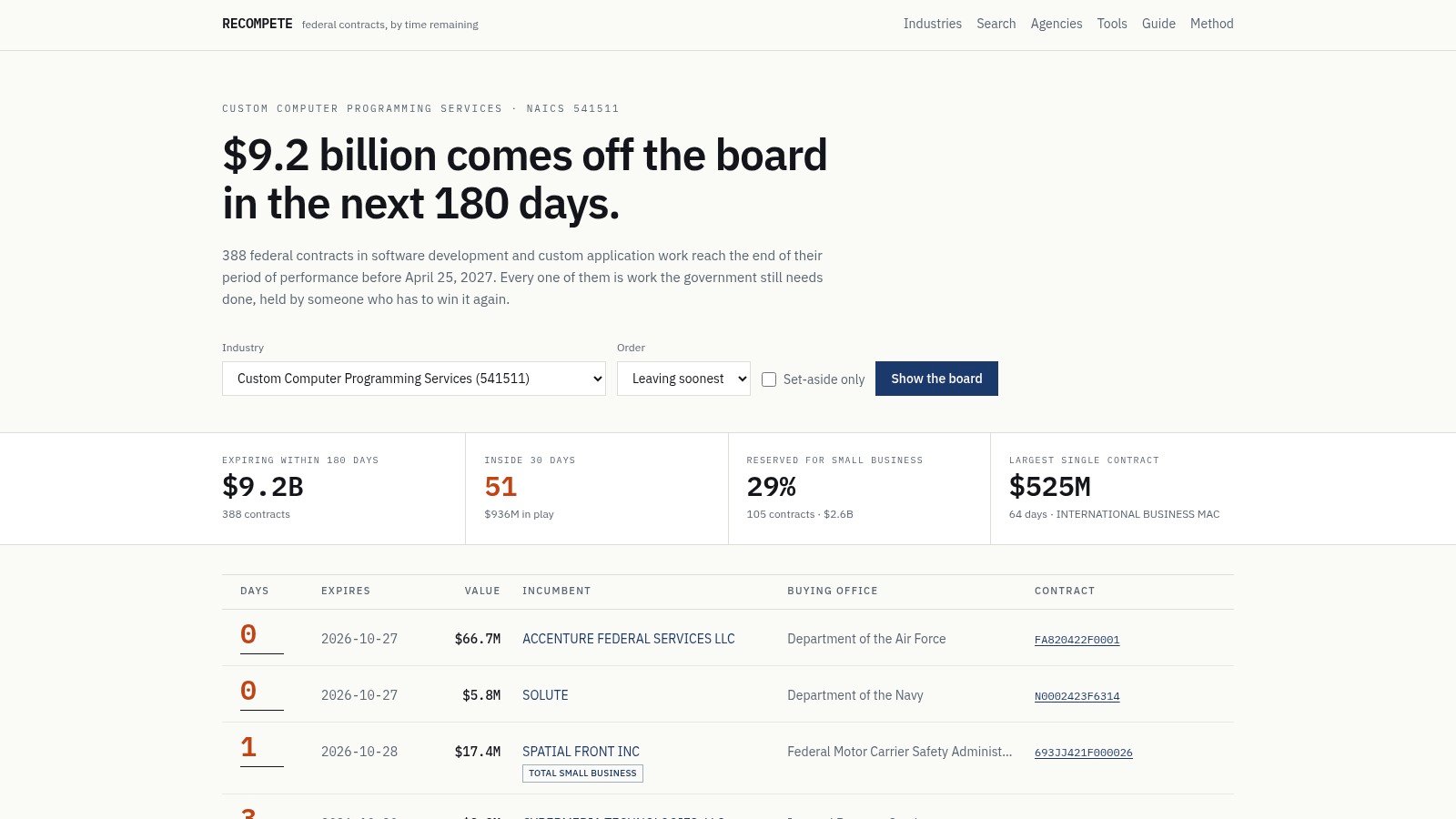
The workflow is plain. You search and filter awards by agency, value, priority, and timing, build watchlists, and receive email alerts at set intervals as expiration approaches. Saved views let you organize targets by agency, NAICS code, or contract-value range, which maps cleanly onto how a small BD team reviews pipeline in practice.
The Score Is a Clue, Not a Verdict
Recompete assigns scores based on factors such as competition type and remaining time, with explanations of what contributed. Competition history deserves a closer look: the Government Accountability Office review of federal contract competition found contracts receiving only one offer still represented about 13% of obligations in each year reviewed. A competed label alone does not establish a crowded field.
Status labels distinguishing awarded contracts from open SAM.gov opportunities also help you avoid treating an already-rebid contract as upcoming. Check current plan details and trial availability directly before relying on either for your evaluation.
Verify before you buy by recreating a recompete you already know the outcome of. Check whether the score, timing, and status labels matched what happened.
Skip it if you need analyst research, state and local coverage, or proposal support. It's a focused federal tracker, and its scores are research clues, not confirmation that a solicitation is coming.
7. Deltek GovWin IQ
Deltek GovWin IQ is a commercial federal opportunity-intelligence platform for teams that need more than an expiration watchlist. Deltek describes research across defense and civilian contracts and task orders, from early budget signals through award. Its analyst-supported coverage can help capture teams investigate whether a requirement is likely to return, what changed, and who holds the work today.
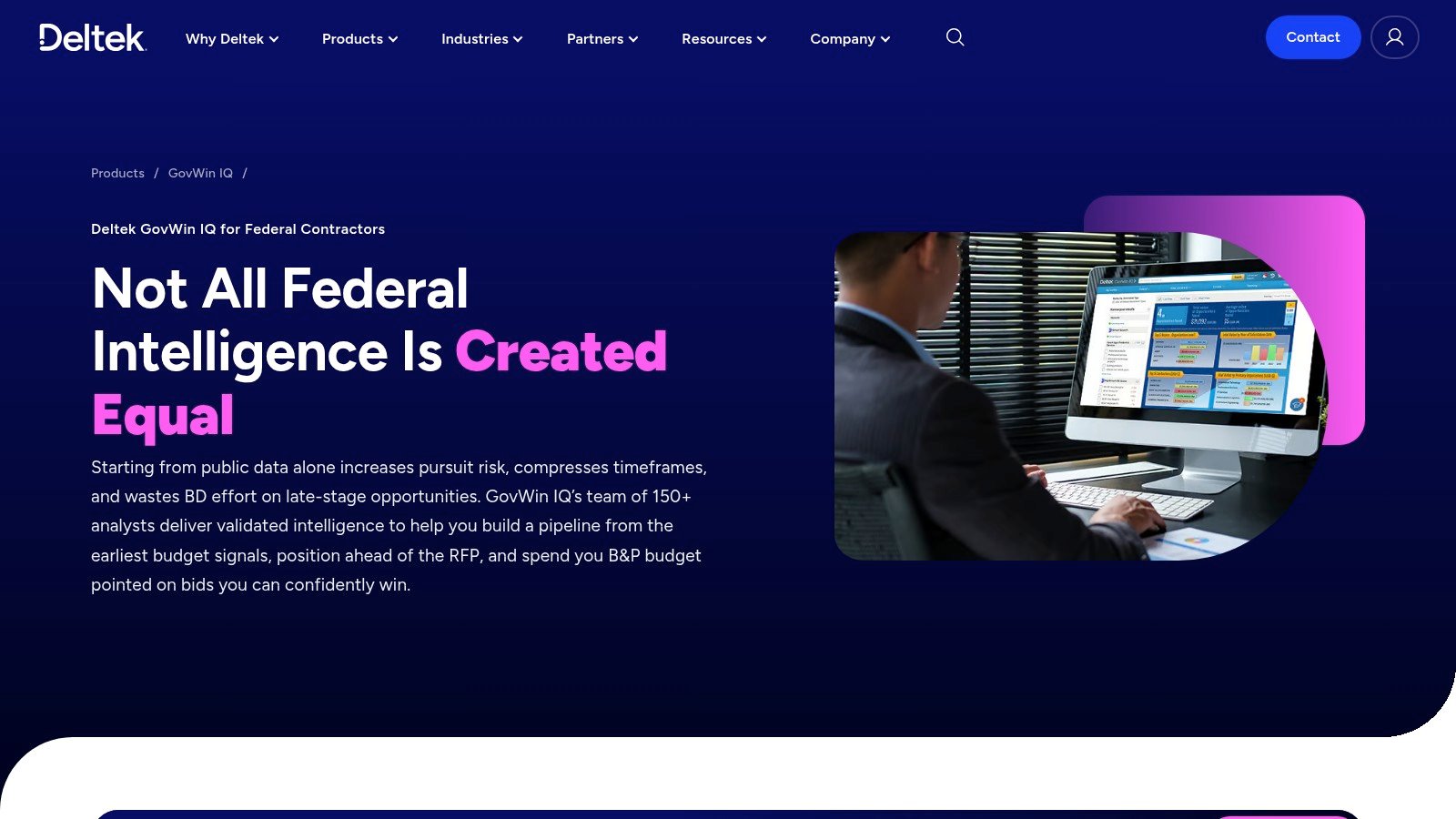
Start with the predecessor award, then check the incumbent, contract history, vehicle, and related opportunity documents. Deltek says its federal analysts monitor changes such as delays, modifications, cancellations, and vehicle shifts. That context matters when an end date suggests a follow-on but the acquisition path is still uncertain. GovWin IQ also supports competitor and teaming research, which is useful when your best route is a subcontracting role rather than a prime bid.
- Best for: Established BD and capture teams researching federal recompetes, incumbents, and potential teaming partners.
- Verification step: Ask for a demo using a known predecessor award and trace its record to source documents, current status, and any proposed follow-on.
- Pricing check: Request a quote and confirm the coverage, analyst access, alerts, and seats included in your package.
Skip it if you only need a small, low-cost expiration watchlist. Its broader intelligence is most valuable when a team has the time and process to act on it.
If you are starting with public data instead, the Acquisition Gateway forecast and expiring contracts resources and GSA Expiring Contracts report remain useful free research sources. Because public procurement records can contain errors, as the Government Accountability Office federal procurement data assessment explains, verify key dates and incumbent details before qualifying a pursuit. The GovCon Reviews blog covers other GovCon software categories too.
Compare the Seven Recompete Tracking Tools
An expiration record is a lead, not evidence that an agency will recompete the work. Compare tools by how they support the next steps: checking whether a follow-on is coming, qualifying the opportunity, and deciding whether to pursue it. Confirm current pricing and trial access with each vendor before committing.
| Tool | Recompete Focus | Pricing Transparency | Evaluation Access | Best For |
|---|---|---|---|---|
| SamSearch | Incumbent and forecast research connected to capture and proposal workflows | Request a quote | Ask for a source-backed demo | Teams connecting pipeline research with pursuit and proposal work |
| Civio AI | Recompete signals and qualification connected to capture workflows | Custom pricing | Ask for a source-backed demo | Teams prioritizing opportunities before moving them into capture |
| GovTribe | Expiring awards and possible follow-ons across award, vendor, forecast, and notice research | Confirm current plans | Ask about trial or demo access | Teams combining award and vendor research |
| HigherGov | Recompete research with incumbent, competitor, vehicle, and teaming context | Confirm current plan and team quote | Ask about trial or demo access | Teams researching displacement and teaming opportunities |
| Bloomberg Government | Recompete research within broader federal procurement intelligence | Confirm current package quote | Request a relevant pipeline demo | Organizations needing federal market, policy, and procurement context |
| Recompete | Federal award expiration tracking with watchlists and alerts | Check current plans | Confirm current trial availability | Teams seeking a focused recompete tracker |
| Deltek GovWin IQ | Analyst-supported federal opportunity, incumbent, competitor, and recompete research | Request a quote | Ask for a predecessor-award demo | Established teams researching federal pursuits and teaming options |
The table separates discovery from decision support. A focused tracker can surface expiring awards, while broader research tools connect those records to market and opportunity research. Before paying, trace a sample record into the agency's forecast or solicitation history, then check whether the tool helps your team qualify and act on what it finds.
Turn Your Recompete List Into a Verified Pursuit Pipeline
Expiration data can generate a watchlist, but it cannot confirm that an agency will buy again. Treat each expiring award as a lead to verify, not a forecast or a qualified pursuit. The value of a tracking tool depends on how well it helps your team establish whether the requirement is still active and move from research to a bid decision.
Run a two-week test with a tool that fits your budget. Build a watchlist of contracts ending in the next 12 to 18 months, then check each incumbent's agency for forecast entries or sources-sought activity. Record which leads hold up, which do not, and why. That verification log gives you a practical basis for judging whether alerts point to opportunities worth pursuing.
Check forecast quality, too. Agency forecast files state that their information is for planning and is not a commitment to buy, as shown in the Defense Health Agency FY25 acquisition forecast. A tool that tracks changes to forecasts over time can help your team see whether a requirement is gaining or losing momentum. A current snapshot alone will not show that history.
Test how each platform connects records across systems. Contract-award searches are available through SAM.gov FPDS search, while forecasts and notices may require separate research. Ask a vendor to show how an alert links a predecessor contract to the incumbent, modifications, and a later solicitation. If the records do not connect, treat the alert as an unverified lead.
Check eligibility before investing in capture. Under SBA limitations on subcontracting, a prime on a set-aside services contract generally must perform a set share of personnel costs itself. Confirm the applicable requirement in the solicitation before pursuing the work, then assess whether your team can meet it.
AI features need a workflow test, not just a demo. The 2025 Clarity Government Contracting study reported that 45% of nearly 900 contractors surveyed were using AI to streamline operations and business development. Adoption does not establish accuracy. Test matching against amended solicitations and indefinite-delivery vehicles, and require citations to the source records behind each result.
If your budget is zero and your process is new, start with the GSA Expiring Contracts report before paying for a platform. Move to a paid tool when your log shows which research steps consume time and which signals lead to a real solicitation. SamSearch is suited to teams connecting verified research with capture and proposal work. Civio AI also connects qualification with later pursuit work, while GovTribe, HigherGov, Bloomberg Government, Recompete, and Deltek GovWin IQ address different research depths and budgets.
Choose based on the bottleneck your team has recorded, not the length of a feature list. For further comparisons of recompete tracking, capture, and proposal software, GovCon Reviews covers other GovCon software categories.
Frequently Asked Questions
Does an expiring federal contract always become a recompete?
No. The agency could exercise an option, move the work to another vehicle, change the scope, or stop buying it. Check forecasts, notices, modifications, and the incumbent award history before treating the expiration as a pursuit.
What should I check before paying for a recompete tracker?
Use an award whose follow-on outcome you know. Ask each vendor to show its incumbent record, timing evidence, related notices, and any score or alert history. Then confirm which of those capabilities your plan includes.
Is a free government dashboard enough for recompete tracking?
It can be enough to build a small watchlist and learn the verification process. If you're managing multiple pursuits, a tool with alerts, shared research, or capture workflows may save time. Neither option replaces checking source records.
Related analysis
10 Government Contract Opportunity Tools for NASA SEWP VI in 2026
Compare ten NASA SEWP VI opportunity tools in 2026, including SamSearch and Civio AI. See pricing models, best-fit teams, and limits of restricted RFQ coverage.

Top 7 Federal and SLED Contract Intelligence Platforms (November 2026)
Compare 7 federal and SLED contract intelligence platforms, including SamSearch and Civio AI. Explore coverage, AI features, pricing, pros, and best-fit teams.

Top 6 Federal Opportunity Tracking Software Platforms (November 2026) Compared
Top 6 Federal Opportunity Tracking Software Platforms (November 2026): real pricing, RFP parsing, match accuracy, and who should skip each one.